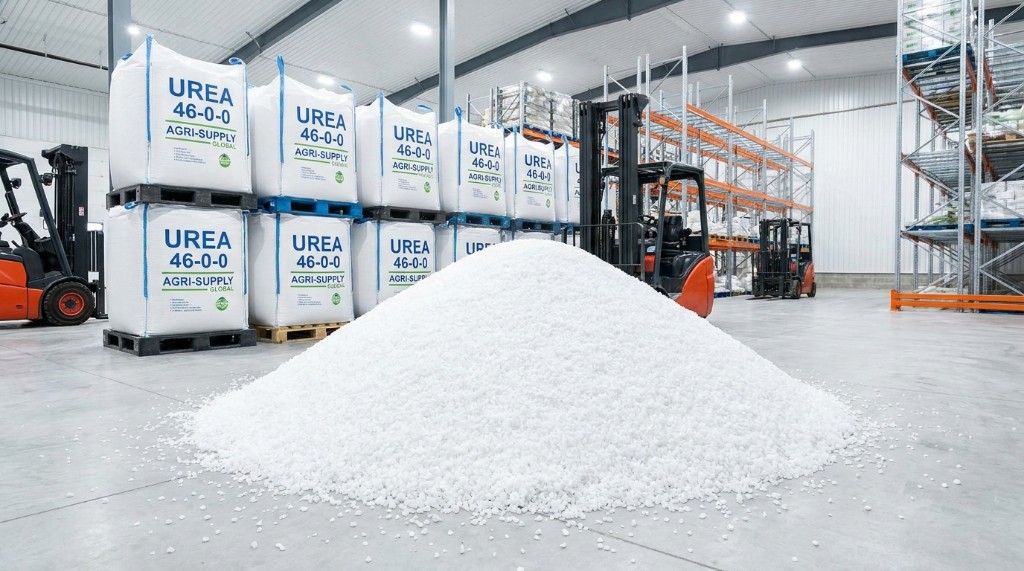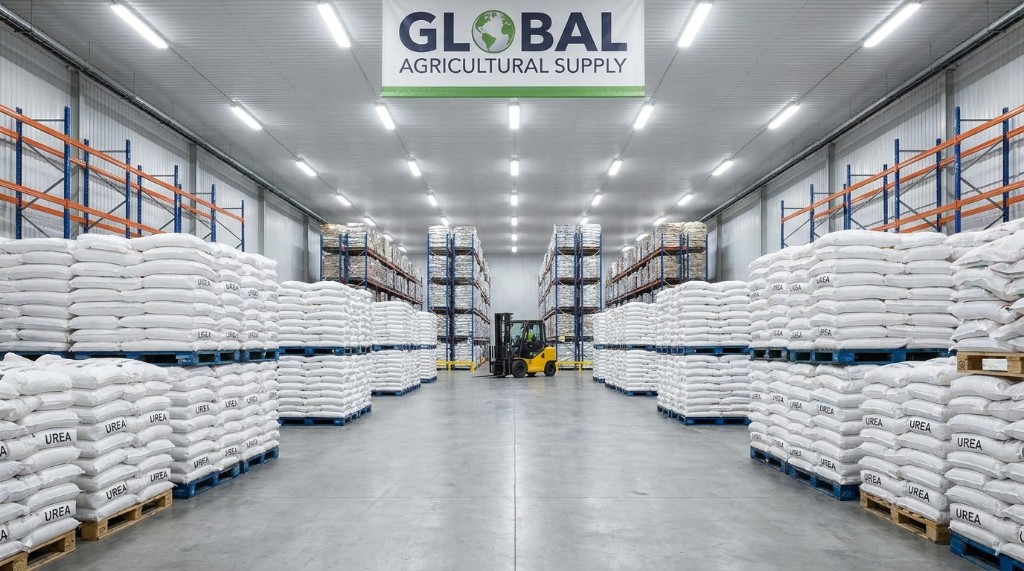
We connect farmers, industrial buyers, and distributors with nitrogen and sulfur products backed by traceable specs, documented testing, and logistics teams that understand fragile cargo and tight delivery windows.
Whether you need granular urea for the growing season, automotive-grade urea for SCR systems, or long-term supply contracts, we combine market insight with operational discipline so every shipment matches what was promised on paper.
Explore Products Get in TouchEvery wholesale line ships with photographic identity on the catalogue and opens its own datasheet page below—click through for specs and COA requests.
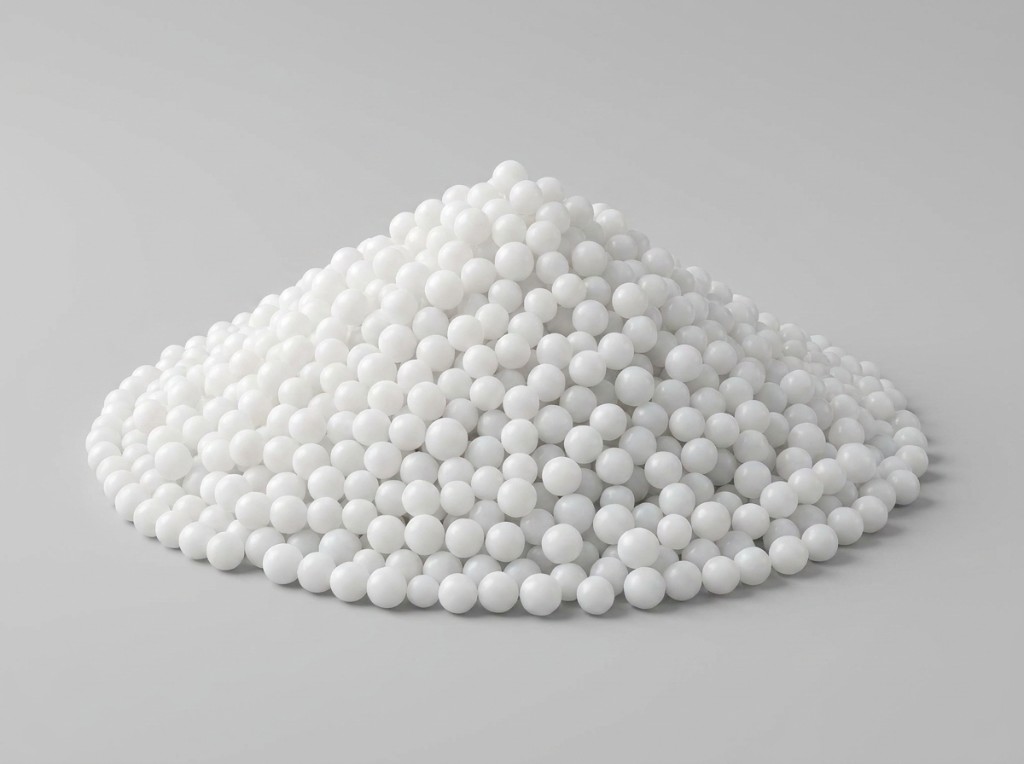
Fine spherical prills dissolve quickly for compound blending, dissolution tanks, and solution fertiliser circuits. Narrow particle bands reduce segregation in homogeneous mixes. Export: tighter COA sizing bands, ≈1 MT FIBCs (jumbo), bulk shipload where routes allow.
Ideal when blend plants or tank farms prioritise predictable sink rates, minimal mechanical attrition versus granules in dissolution headers, and contract language that cites fines/moisture—not just headline nitrogen. Ask us for retained-sample pilots before scaling seasonal programmes.
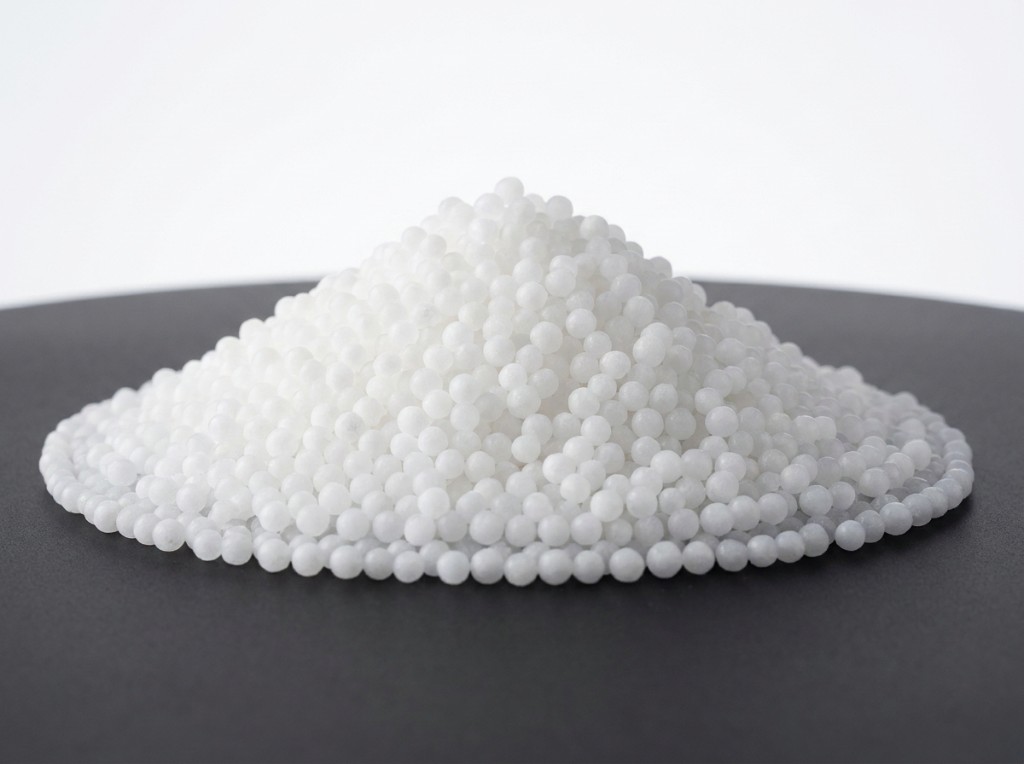
Harder granules suit broadcast spreaders, pneumatic handling, and long bulk chains with less breakdown and dust. Often preferred where mechanical integrity protects application uniformity. Export: sieve-graded granules, supersacks/FIBCs, bulk vessel discharge economics.
Chosen when spreader CV audits, pneumatic legs, shipload grabs, or stacker heights punish friable particles; hardness and sieve envelopes belong in RFQs alongside nitrogen—not after first discharge dispute.

High-purity feedstock for UF/MF resins, melamine synthesis, speciality chemicals, and selected de-icing or industrial routes where biuret and trace contaminants must stay bounded. Export: prill/granule envelopes for metering, sacks to ≈1 MT FIBCs or bulk/container flows per dust rules.
Specification depth spans metals panels, dissolution thermals, food-contact declarations, combustible dust housekeeping—routing must never borrow agricultural fertilizer dossiers verbatim.
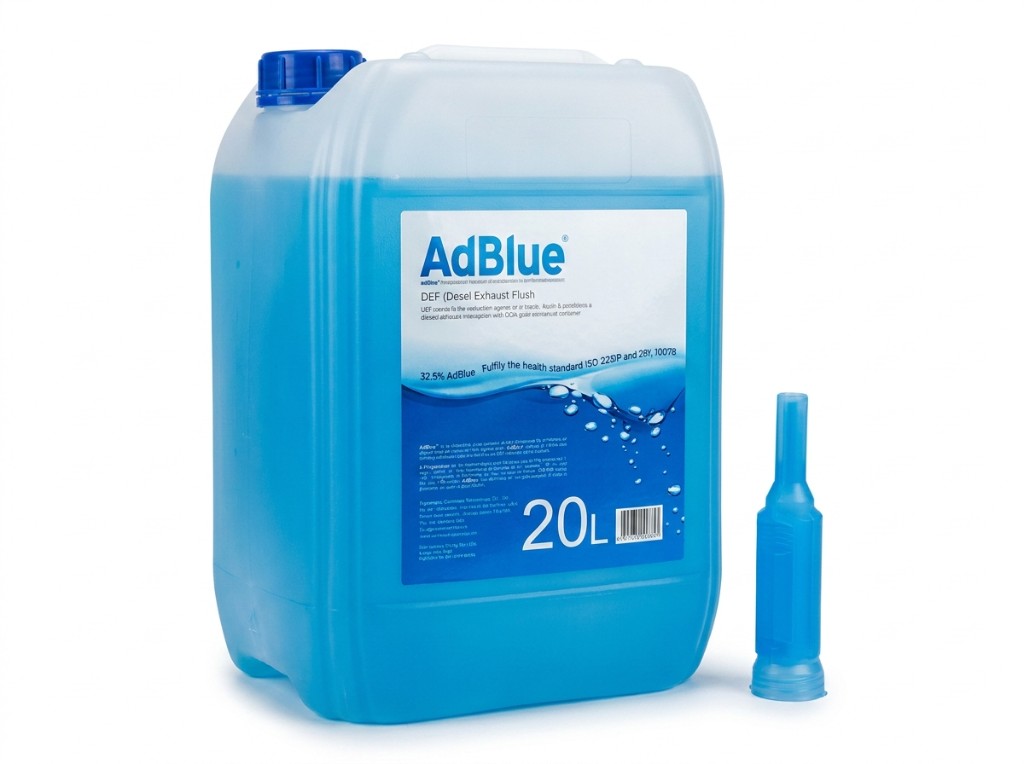
Ultra-clean urea and deionised water at 32.5% concentration for SCR aftertreatment. ISO 22241-aligned limits protect pumps, injectors, and catalyst life across truck, bus, and off-highway fleets. Export: bagged/FIBC concentrate vs finished fluid in IBC/tanker—parcel-tank logistics, not solids bulk hatch.
Programmes split between premium concentrate prills feeding captive blend plants and turnkey AUS32 fluid with dispensing-chain QA—cold-chain crystallisation economics belong in tenders up front.

Sulfur envelope meters nitrogen release and supplies sulfate alongside N—useful where leaching or ammonia loss risk makes straight urea timing-sensitive. Export: protect coating through bag/FIBC or modelled bulk vessel legs; size grading on COA where required.
Release couples soil temperature, moisture, and sulfur oxidation—not calendar marketing alone—so procurement should pair COA N/S stamps with agronomic budgeting models and mechanical handling narratives.
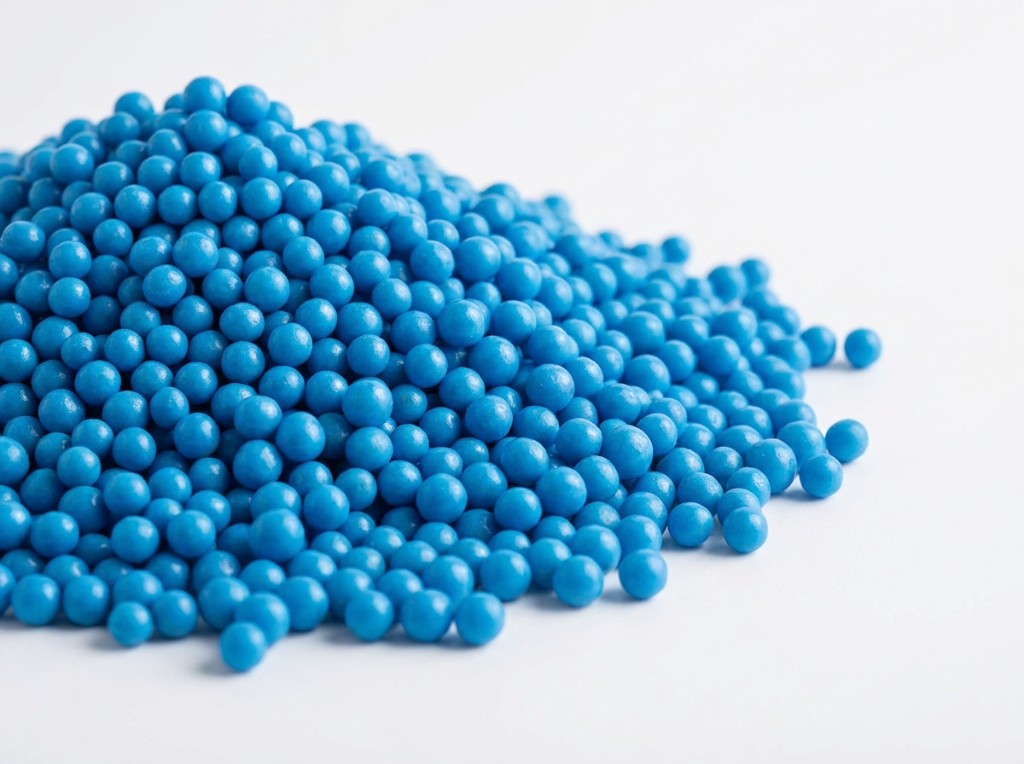
Polymer membranes stage nitrogen over weeks to months—turf managers, ornamentals, and precision growers schedule fewer passes while aligning N supply with rooting and uptake windows. Export: pallet bags or FIBCs; bulk vessel only when membrane damage risk is priced.
Longevity labels must reconcile irrigation strategy, salinity stress, micronutrient partners, cultivation calendars—otherwise premium chemistry underperforms against spreadsheet expectations.
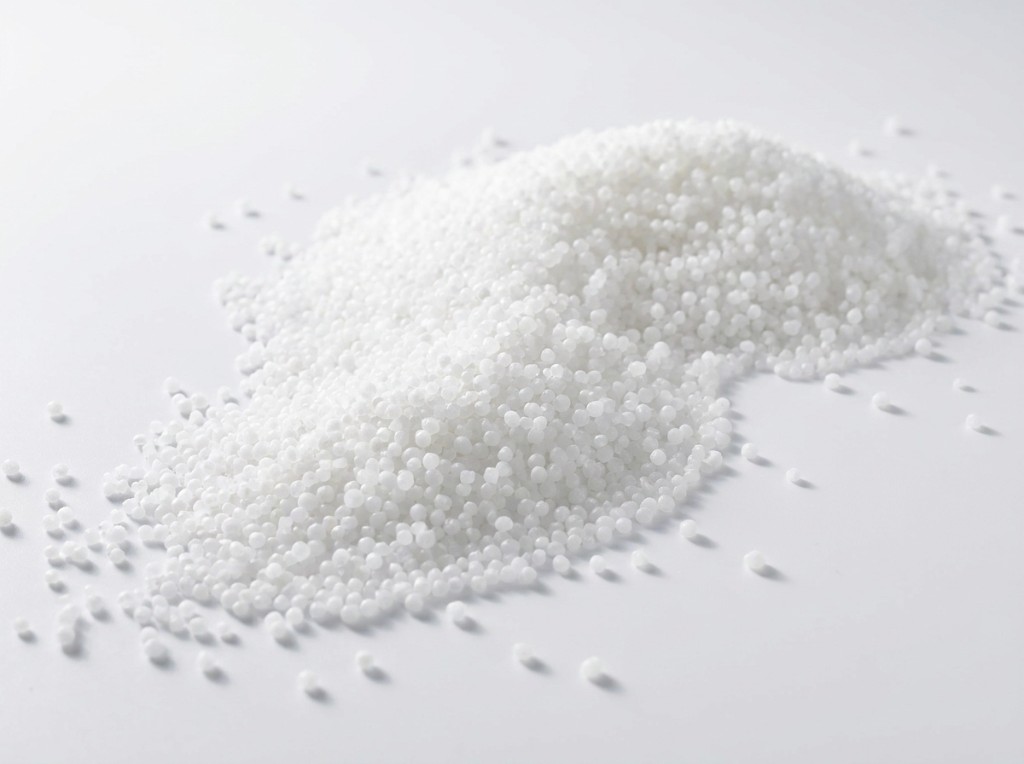
Ready-made liquid N for booms, pivots, sidedress rigs, and tank mixes—avoid on-site dissolution and gain stable concentration for seasonal programmes. Export: ISO-tank/truck parcels and heated bullets—crystallisation climate must match concentration; not jumbo dry bulk.
Design around minimum storage temperature, bullet materials, line displacement, ammonium nitrate regulatory overlays, and corrosion programmes—distinct from granular tender templates.
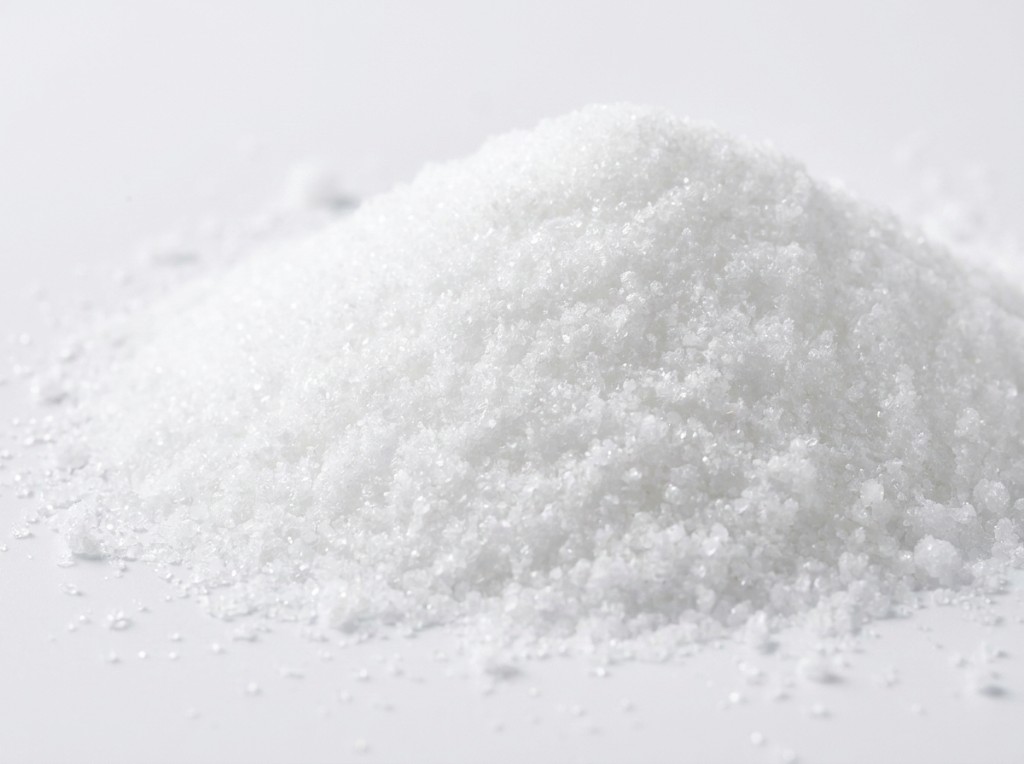
Rumen-safe non-protein nitrogen when rations are formulated within regulatory limits—stricter biuret and purity targets reduce toxicity risk versus agricultural grades. Export: hygienic sacks/FIBCs, tight particle grading for mixers—not open fertilizer shipload grammar.
Success depends on adaptation curves, sequential mixing hygiene, micron limits, multilingual labels, and segregation from fertilizer warehouses—commercial teams should involve nutrition counsel before berth nomination.
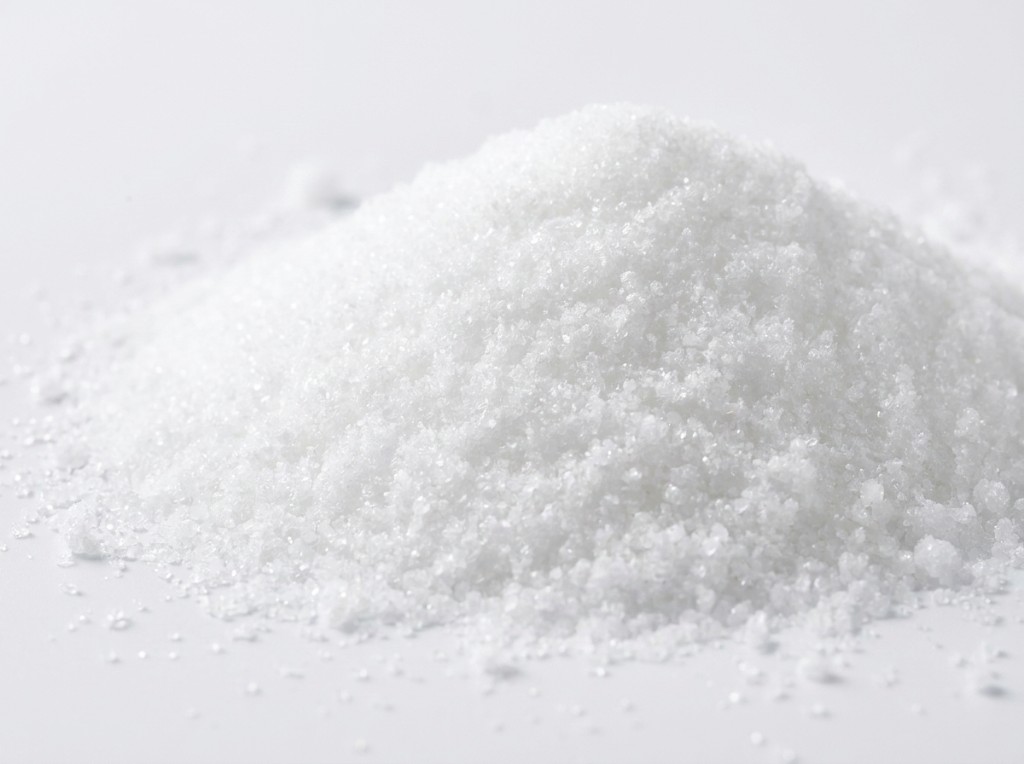
Compendial-oriented purity for humectant and keratolytic skincare roles and, where dossiers allow, upstream API precursor material—heavy-metal and microbial panels aligned to mutually agreed pharmacopoeia. Export: drums/cartons on pallets; PSD morphology as agreed—not bulk fertilizer vessel holds.
ICH-style elemental impurities, endotoxin allowances, stability protocols, QP release geography, cosmetic claim counsel—all precede impulse spot pricing borrowed from fertilizer markets.
Need the full catalogue table? Jump to all urea landing pages or scroll the nine product cards on the hub.
Fertilizer and industrial chemicals are commodities on the surface—but in practice, inconsistency in moisture, caking, or purity can shut down a plant or ruin a harvest. We built Hibernia Urea around the unglamorous work: sampling, documentation, carrier selection, and post-delivery follow-up.
A network across 50+ countries means we can match origin, Incoterms, and financing structures to your geography—without forcing a one-size-fits-all template on your supply chain.
Lots are sourced against published specs (nitrogen, biuret, moisture, particle size) with lab support and certificates of analysis so procurement and operations speak the same language.
From jumbo bags and breakbulk to containerized moves, we coordinate loading, documentation, and milestones so you’re not chasing updates when the vessel is already at anchorage.
Many of our contracts renew because we treat disruptions as shared problems: transparent communication, substitutions only when pre-agreed, and a bias toward predictability over short-term margin.
Industry buzzwords only matter when they translate into documents you can file, auditors can trace, and your team can verify at the receiving warehouse.
We work with established producers and audited partners, aligning on recognized quality frameworks where applicable (including ISO-aligned management systems). Each inquiry is scoped with grade, packing, moisture limits, and destination regulations in mind—not generic “best urea” language.
Volatility is normal in fertilizer markets; opacity shouldn’t be. Our quotes spell out assumptions—origin options, parity basis, validity windows, and what happens when loading dates slip—so forecasts and hedges downstream stay coherent.
A deliberate process reduces surprises—for your agronomists, plant managers, and finance team alike.
We capture grade, purity, packing, discharge port, cadence, and any regulatory overlays (DEF, fertilizer registration, blending constraints).
We shortlist compatible producers and routes, then share a transparent quote with basis, validity, and optional Incoterms.
After contract, we monitor production slots, loading, and shipping documents; you receive structured updates instead of ad-hoc threads.
Post-delivery, we debrief on quality and timing so the next cycle benefits from real operational data—not memory.
Numbers never tell the whole story, but they reflect the scale of trust placed in us—repeat orders, multi-year programs, and shipments that cross seasons and regulatory regimes.
Years Experience
Global Clients
Countries Served
Tons Delivered
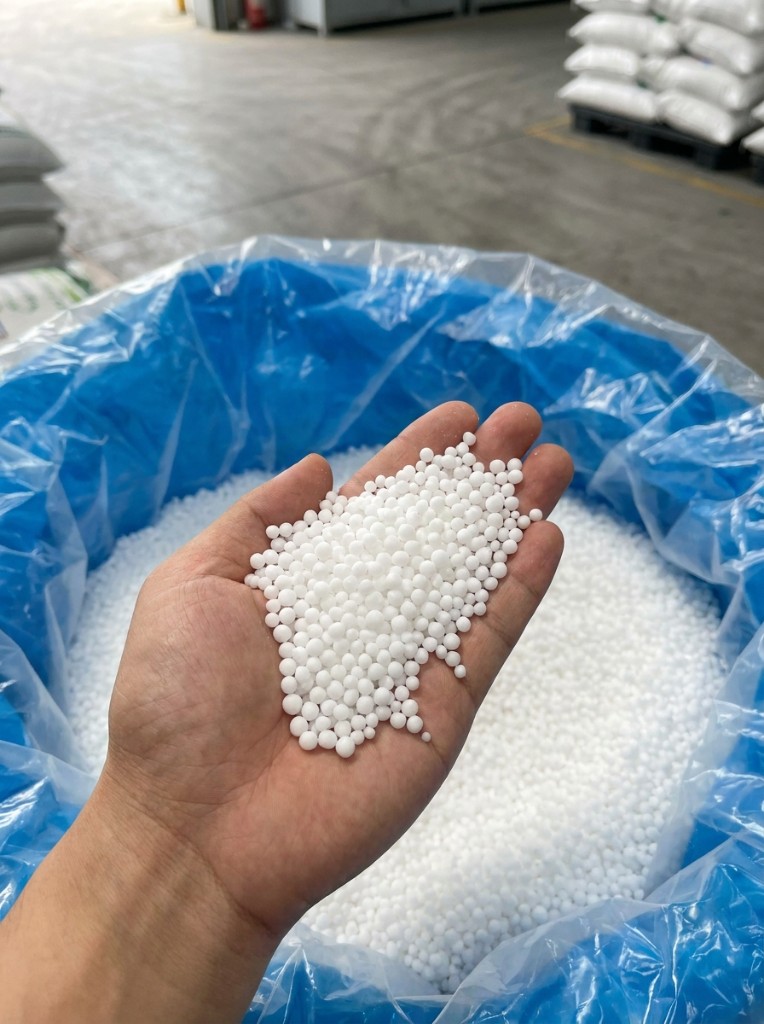
The plant integrates reaction, finishing, coating (where applicable), and packaging lines under one disciplined quality regime. Sensors and periodic grab samples feed a lab that rejects off-spec material before it ever reaches a silo or bagging line.
That matters because urea is hygroscopic and handling-sensitive: controlled temperature, dust management, and anti-caking treatment (when specified) protect both shelf life in your warehouse and flow in spreaders or industrial feeders.
Labels vary by facility and jurisdiction; we align documentation to what your procurement and ESG teams need to see.
These anonymized reflections mirror recurring themes in our post-delivery reviews: clarity, consistency, and ownership when plans change.
“We switched after repeated moisture disputes elsewhere. Hibernia’s COAs matched what arrived, and when a vessel lagged, we got a timeline—not silence.”
“Our agronomy team cares about particle size distribution. They took the time to explain plant options and sent retain samples before we scaled volume.”
“Industrial urea purity is non-negotiable for our process. Contract language was precise; three years in, we’ve had zero off-spec lots.”
Send your technical requirements and target window—we’ll respond with options you can compare line by line, not marketing curves.
Nine engineered grades—from agricultural prills and granules through industrial, automotive, coated, liquid, feed, and pharmaceutical tiers—with narrative depth that covers agronomic trade-offs, reactor chemistry, depot logistics, and regulatory dossiers. Each SKU below opens a datasheet-style landing page pairing commercial context with analytic targets buyers can transpose into tenders.
Click any card for extended wholesale narratives—applications, sourcing discipline, freight modes, QA overlays—plus condensed analytic anchors you can reconcile against mill COAs and import permits. Agronomic, industrial, and regulated grades use different purity, particle, contaminant, and documentation envelopes; routing procurement to the precise landing page keeps QSHE aligned from first quotation.
Agricultural grade. Small spherical solids from the prilling tower, typically around 1.0–2.4 mm, carrying up to about 46% nitrogen—among the densest nitrogen carriers farmers can bulk-handle. Dissolution kinetics suit compound NPK blending, tank-farm dissolution, pivot or drip preparation (where agronomy allows), and applications where homogeneous particle sizing limits segregation in mixtures.
Procurement hygiene—tight ceilings on moisture, dust, fines, and biuret—determines blender downtime, silo bridging risk, harbour demurrage from slow discharge, foliar sensitivities, and insurer appetite for dusty cargo alike.
Blend plants often script optional formaldehyde-trace or anti-caking chemistry declarations for compatibility audits; dissolution circuits document heat-of-solution pacing against stainless pipe expansion joints; tender teams quantify seasonal relative humidity deltas between load port warehouses and inland blend sheds.
Export programmes typically lock graded prill sizing on the COA (band limits versus mill averages), with delivery in palletised sacks, FIBCs (~1 MT jumbo), or bulk hatch/hold shipload—survey-at-load clauses available when contracted.
Siblings on this catalogue: abrasion-first programmes often compare against granular 46%; bulk liquid sidedress parallels UAN; fleet SCR concentrates sit under DEF / AdBlue; slow-release overlays SCU · PCU; nine-line catalogue hub.
Agricultural grade. Harder particles in roughly the 2.0–4.0 mm window for broadcast rigs, pneumatic handling, stacking, and long bulk logistics with less breakage. Crush strength correlates directly with fines generation during ship-to-store movements—particularly important where spreader calibration is audited.
Many broadacre rotations favour granular solids when mechanical durability outweighs instantaneous dissolution benchmarks—particularly where pneumatic conveyors or ocean legs predominate over same-day blender sink tests.
Spread-width audits and CV mapping increasingly appear in RFIs; linking COA crush indices to those machines reduces finger-pointing after first season’s striping complaints.
Export lots often tighten granule size grading (sieve cuts, hardness, fines after simulated handling), priced through 25 kg packs, FIBCs / supersacks (~1 MT), or bulk vessel parcels where grab or pneumatic discharge economics win.
Compare against prilled urea; evaluate liquid analogues on UAN; sulphur-mediated release on SCU; polymer membranes on polymer-coated (PCU); SCR chemistry under DEF / AdBlue; whole urea catalogue.
Industrial grade. Elevated purity and bounded biuret for UF/MF resins, melamine synthesis, speciality fine chemicals, and selected de-icing routes where ammonia-side chemistry rejects agricultural tolerances.
Downstream teams reference biuret creep, formaldehyde stoichiometry drift, melt colour, ash carryover, and pneumatic attrition budgets when they model plant reliability—those levers rarely appear on farm-grade spec sheets.
Hibernia Urea aligns prilled or granular solid forms with pneumatic legs, dissolution skids, reactor dosing, SDS expectations, and—where contracted—third-party reinspection.
Customers often request lot-specific ICP suites, titration back-stops, Karl Fischer moisture cross-checks, methanol insolubles, or FTIR fingerprint baselines when switching suppliers mid-campaign—attach those methods to contract riders before price alignment.
Industrial export moves quote defined crystal form + particle envelopes (prill vs granular, fines limits) suited to metering and melt—not field fertiliser sieve bands—with packing from multiwall sacks through ≈1 MT FIBCs to contracted bulk vessel/container flows when origin rules allow dusty bulk discharge.
Use alongside—but never interchanged—with prilled fertiliser dossiers, granular fertiliser dossiers, DEF concentrate packs, pharmacopoeia profiles, feed NPN files; index nine engineered lines.
Automotive AUS32 fluid. SCR systems depend on a narrow 32.5% mass fraction of purified urea in demineralised water; trace metals, biuret drag-through, or poor water discipline crystallise injectors and poison catalysts.
Hibernia Urea programmes concentrate prill for captive blenders plus finished fluid in IBCs, drums, bulk tankers, and retail formats—each against regional conformity rules.
Fleet procurement teams increasingly bundle DEF with telematics partner audits, cold-weather fleet trials, cross-border driver training (spill response, language-free pictograms on nozzles), and depot sampling cadence—expect questions beyond basic COA PDFs.
Import programmes separate bagged/FIBC concentrate supply for captive dissolution from parcel-tank bulk fluid logistics—not interchangeable with solids vessel shipload economics—with dispatch temperatures and metals panels matched to injector warranty language.
Precursor purity discipline mirrors technical urea; agricultural solids remain prilled / granular; fleet buyers may also reference UAN only for agronomy—not SCR; full routing urea hub.
Slow release. Sulphur-encapsulated granules stagger nitrogen liberation and credit secondary sulfate—rates always bounded by labelled COAs, drainage class, temperature, and local environmental law.
Total nitrogen versus sulfur fractions move with sulfur shell economics; reconcile lots against agronomic models—not marketing averages.
Agronomists cross-check SCU against split applications of straight urea plus soluble sulfate when timing flexibility matters; wholesale buyers cross-check freight moisture exposure during monsoon legs.
Export handling mirrors high-durability solids: coated granule integrity after grab, conveyor, and hold vibration matters—quote bag / FIBC lots or bulk vessel flows with conditioning and moisture caps suited to long salt-air legs.
Substrate parallels uncoated granular urea; polymer alternative PCU; instantaneous baselines prilled · UAN; SCR programmes DEF / AdBlue; roadmap wholesale catalogue.
Controlled release. Semi-permeable polymer membranes respond chiefly to soil moisture/temperature—useful across turf calendars, ornamental blocks, nursery cycles, or precision cropping with fewer passes.
Procurement bundles must cite longevity buckets, climatic design points, irrigation dependency, and co-blend salts that fatigue membranes.
Superintendents often stage PCU alongside growth regulator programmes, cultivation recovery, or grow-in sand profiles—document those adjacencies so membrane manufacturers can comment on edge-case stress.
Coated granules for export move like premium solids: we align particle band + coating durability assumptions with 25 kg / FIBC pallet programmes or—where approved—bulk vessel discharge where mechanical damage risk is modelled upfront.
Cross-check sulphur-matrix designs on SCU; instantaneous broadcast norms via granular; fertigation synergy UAN; agricultural prill baseline prilled grade; catalogued overview all urea products.
Urea–ammonium nitrate blend. Homogeneous liquids carrying ~28–32% total N marry urea-derived and ammonium nitrate nitrogen—ideal for rigs that meter from bulk storage without dissolution holds.
Jar-tested companions may include micronutrients or labelled crop-protection partners; density and crystallisation floors dictate heated storage geography.
Inland terminals increasingly ask for berth heating budgets, genset allowances for iso-container recirc pumps, seismic bracing dossiers—price discovery without those rows invites renegotiation at laytime.
Exports price tankwagon / ISO-container / coastal parcel-tank legs—not solids FIBCs or bulk shipload hatch programs—with Incoterms, heating, and line displacement aligned to unloading temperature minima.
Bagged parallels: prilled, granular; staged release overlays SCU / PCU; SCR concentrate DEF / AdBlue; nine-line hub navigation.
Non-protein nitrogen (NPN). Rumen microbes assimilate ammonia into microbial protein when rations discipline mixing, adaptation, statutory caps, and impurity regimes.
Destination regulations prescribe inclusion envelopes, QA evidence, GMO statements, sanitation between container turns, or climate safeguards—share full matrices before quotations.
Nutritionists may request ammonia-release kinetic proxies, microscopic foreign matter grids, chloride ceilings for premix conductivity, cobalt statements—even when superficial %N tenders look interchangeable.
Feed-grade export often ships in 25–50 kg heat-sealed sacks on slip-sheets or ≈500–1 000 kg FIBCs—not open-hatch urea holds—with tight prill/granule size bands and biuret clauses so mixers see predictable flow.
Never confuse with prilled fertiliser, granular fertiliser, or automotive concentrates; adjacent purity dossiers appear under pharma & cosmetic, technical/industrial; return via urea catalogue overview.
Dossier-heavy purity bands. Humectancy, keratolysis in leave-on topical systems, plus upstream API precursor roles where monograph alignment and sterile-process considerations demand expanded testing matrices.
Expect negotiated heavy-metal panels, endotoxin allowances, microbial enumeration, retest philosophies, pedigree statements, multilingual lab excerpts, pharmacovigilance routing—as applicable per SKU.
Cosmetic marketing claims (e.g. “natural origin”) sit outside COA—they require separate regulatory counsel—not something we shorthand into fertilizer-style spec tables.
Cross-border pharma/cosmetic lots move in double-walled sacks, fibre drums, or export cartons—not bulk shipload fertilizer grammar—with lot-based crystal morphology / PSD where customers bind tablet or cosmetic dissolution models.
Industrial purity ladders (non-pharma) cite technical-grade urea; regulated animal NPN cites feed dossiers; agricultural solids cite prilled · granular; fleet fluids cite DEF / AdBlue; nine-line wholesale map.
Every grade ships with a documentation path appropriate to its risk class: agricultural solids (COA + packing integrity), DEF (ISO traceability and metals), feed (contaminant panels), and pharma (compendial testing as agreed).

Use these alongside your COA and destination regulations—not as a substitute for supplier certificates.
Agricultural prilled urea at about 46 % N, typically 1.0–2.4 mm spheres—chosen when blend plants and dissolution circuits need rapid sink behaviour, homogeneous sizing, and export-ready sieve/moisture language on the COA.
Prilled urea is produced by spraying molten urea through a prilling tower, forming small spherical particles typically 1.0–2.4 mm in diameter. At roughly 46% nitrogen, its chief advantage versus many alternatives is logistical: maximum N per tonne moved and rapid dissolution kinetics tuned to bulk blend plants, dissolution skids supplying pivots/drip (where agronomy allows), solution fertiliser manufactures, or foliar concentrates when biuret budgets permit.
Buyers benchmarking broadcast mechanical programmes against harder solids should read how granular urea trades dissolution speed for crush strength—and when UAN negates dissolution entirely via tank-transfer logistics. Controlled-release overlays sit outside instantaneous-prill economics entirely: compare SCU sulphur-matrix and polymer-coated PCU lines before blending assumptions.
Hibernia Urea bundles prilled cargoes across 25 kg sacks, FIBCs around 1 MT (“jumbo”), and bulk vessel/shipload lots where corridors allow—with export tenders often pinning particle-size grading bands (limits on overs and unders—not just mill averages), fines ceilings post-simulated handling, and COA-aligned moisture clauses that forecast caking. Load-line survey wording can accompany major parcels when contracted. Fleet or industrial buyers searching automotive fluids must pivot consciously to DEF / AdBlue; feed or pharma dossiers mandate feed-grade or pharmacopoeia-grade routes—not this agricultural envelope.
Field realism. Prill dissolves aggressively—an asset inside blenders and dissolve systems—but broadcast without incorporation into moist soil invites ammonia volatility when residues, warm windy weather, or alkaline pH widen the loss window versus subsurface-band placement or irrigation-aided assimilation.
Dissolution and QC. Operations teams correlate sight-glass dissolution times against temperature, turbulence, chloride carry-in (from process water or co-ingredients), and heel mass in day tanks; seasonal swing in incoming prill geometry can shift pump run-hours even when headline %N appears flat—so contract language should reference optional mechanical retain samples, not only lab chemistry.
Downstream compatibility. Compound NPK and specialty blends require mutual tolerance on surface moisture, surface area, and dust—each contributor to “hot spots” in rotary drums and double-deck chain blenders. Where micronutrient liquids or acids are introduced, prill porosity and anti-caking chemistries must be cross-checked for exotherm and caking acceleration.
How Hibernia Urea supports buyers. We map your receiving climate (open shed vs climate warehouse), handling chain (pneumatic vs belt), and application method to the right producer option and COA band—then document pack integrity, strapping, container ventilation for bagged moves, and bulk stowage declarations when holds are nominated.
Hard granular urea ~46 % N in roughly 2.0–4.0 mm—for broadcast, pneumatic handling, and abrasion-heavy logistics where crush strength and fines control protect spreader uniformity and bulk vessel chains.
Granulation builds harder spheroids—commonly cited near 2.0–4.0 mm—that survive pneumatic legs, shipload abrasion, telescopic offload, and calibrated spinners/spread decks with fewer fines storms than many prilled supply chains tolerate.
Where blend plants or dissolution circuits prize faster sink rates—but still insist on spherical geometry—comparison shopping against prilled urea remains the textbook procurement fork. Liquids tenders often pit solids versus UAN economics; speciality programmes moderating ammonia flux reference SCU/PCU release physics instead.
Relative to instantaneous solids, granular urea can moderate field release characteristics—particularly when incorporated or surface-applied ahead of activating rainfall regimes. Hibernia Urea supplies 25 kg packs, FIBCs / supersacks ≈1 MT (“jumbo”), and bulk vessel holds with producer-specific hardness, fines, sieve grading, chloride, conditioner, or anti-caking clauses spelled into contract—not generic brochures. Export COAs can carry banded particle sizes where port surveys or buyer spreader QA require them.
Mechanical truth on farm. Spinners, pneumatic spreaders, and variable-rate rigs translate granule integrity into coefficient of variation maps; excessive mid-size deficit or friable edges show up as streaking long before a lab flags “off spec.” We encourage buyers to pair COA crush/fines language with their equipment class—orchard air-blast, broadacre twin-disc, or strip-till toolbars all punish particles differently.
Logistics stress tests. Grab discharge, slewing stackers, and rail jolts generate fines that later increase hygroscopic surface area in humid ports. RFQs that ignore simulated handling or stockpile height assumptions often rediscover caking during monsoon storage—addressing this up front is cheaper than demurrage debates.
Soil-system context. Granular urea still demands agronomic respect: shallow placement in dry topsoil can volatilise like prill if not incorporated; conversely, deep banding in cold wet springs may delay response versus nitrate-amended programmes—your nutritionist’s windows should drive grade choice, not commodity habit alone.
Contract levers we discuss openly. Formaldehyde or other conditioners, granular geometry envelopes, micronutrient premix exclusions, chloride caps for stainless equipment, bilingual bag declarations, salvage pathways for tarp-damaged pallets—each clause belongs in tender packs when relevant.
Industrial / technical urea with elevated purity, tight biuret, and trace-metal discipline for resins, melamine, chemicals, and speciality industrial routes—never interchangeable with farm sacks or feed/pharma COAs.
Technical urea occupies a different analytic contract than sacks stamped for field broadcast: reactors for UF/MF adhesives, melamine chains, speciality de-icers, and fine chemical corridors all punish agricultural tolerances on biuret, tramp metals, and ammonia carry-over.
Physical form negotiation—prill versus granular fines distribution—maps directly onto pneumatic feeders, dissolution thermals, solvent slurries, or melt injectors downstream. Procurement teams migrating from solids agriculture must deliberately avoid substituting documented prilled fertilizer or granular fertilizer grades; likewise animal NPN and pharma/cosmetic dossiers define wholly separate impurity philosophies.
Hibernia Urea issues technical quotations with SDS cadence aligned to reactor hazard communication, elemental impurity tables as negotiated, GMO/allergen statements when food-contact adhesives loom, retained-sample clauses for disputed batches, plus chain-of-title documentation through export classifications—packing lines range from multiwall sacks through ≈1 MT FIBCs to bulk vessel / container flows when dust control and classification allow open-hatch economics.
Process mapping. UF/MF resin buyers watch biuret and free ammonia because both shift formaldehyde demand, gel times, viscosity tails, and board-line foaming in wood-products plants. Melamine chains compress tolerances further around ash and alkali ions that perturb reactor selectivity cycles.
Metal and trace regimes. Beyond headline purity, cobalt, nickel, iron, chromium, sodium, silica, sulphate/nitrate footprints can matter downstream—particularly when catalyst guards or ion-exchange cleaning loops bracket your process. Harmonise your analytical method (ICP-OES vs titration back-stops) with suppliers before debating disputed lots.
Dust and combustibility housekeeping. Even “clean” flows generate fines at transfer points; pneumatic systems need grounding, housekeeping SOP alignment, explosion vent mapping, and filter change discipline. We advise how bag rip stations and bulk spouts interface with NFPA-aligned plant studies where regional law references them.
Operational partnership. Where customers run multi-origin hedging desks, we help tag each parcel to the correct reactor dossier—including alternative producer equivalency matrices so maintenance shutdowns never force improvised substitutions silent to QA.
AUS32 DEF / AdBlue — urea at 32.5 % in demineralised water under ISO 22241 contaminant ceilings. Programmes span premium concentrate prills for captive blend plants and finished fluid in drums, IBCs, and tankers—not farm-grade urea shortcuts.
DEF chemistry is not merely “dissolve agricultural urea”: ISO 22241-class disciplines bound biuret, aldehydes, alkali ions, phosphate, calcium/magnesium, copper/zinc, and water conductivity—faulty cuts destroy dosing pumps crystallise dosing lines degrade catalyst substrates.
Programmes bifurcate between high-purity concentrate prill supply feeding captive aqueous blending centers versus turnkey finished-fluid logistics with dispensing-chain audits baked into contracts—not casual spot comparisons with farm-grade prilled urea or farm-grade granular urea.
Concentrate import flows routinely move on palletised premium prills or FIBCs / supersacks feeding dissolution skids—distinct from solids-only bulk vessel shipload economics—and finished AUS32 via IBCs, road tankers, or coastal parcel tank rotations where winters protect crystallisation.
Hibernia Urea coordinates IBCs, drums, bulk tankers, and retail-compliant formats—with SDS packs aligned to regional VOC limits, depot temperature bands, disputed-lot retains, and SLA escalation ladders familiar to captive fleets.
Operational risk register. Fleets quantify DEF failures in catalyst replacements, dosing pump rebuilds, and off-road downtime—so precursor specifications are not theoretical. Seasonal freezes, condensation inside partially filled IBC heels, dispensing gun contamination chains, cross-contamination from washwater, all appear in mature tender documents.
Manufacturing segregation. Captive blend plants demand RO/EDI water fingerprints, endotoxin-neutral maintenance on stainless circuits, micron-rated filtration philosophies, conductivity alarms, shear-sensitive batch turnovers, plus finished-goods microbial guardrails—even before regional labeling claims.
Upstream traceability narrative. OEMs auditing supply trees expect batch genealogy linking fertilizer-grade inputs (never directly used) separately from SCR-grade inputs, calibrated lab reference methods, statistically defendable purge volumes after line washes, retain policies matching warranty dispute windows.
Hibernia Urea facilitation. We align quotes to your packaging ladder—drum pilot lots, articulated road tank wagons into northern depots, ISO module programmes for island markets—articulating crystallisation inhibitors only where legally permitted versus engineering controls (heated cabinets, circulating loops).
Sulfur-coated urea (SCU) staggers nitrogen release and supplies sulfate via a sulphur shell—weighted ~30–40 % total N and substantive S fractions on COA-dependent grades for leaching-aware or ammonia-sensitive rotations.
SCU marries instantaneous urea substrates with elemental sulphur barriers so nitrogen liberation tracks soil moisture warmth microbe-mediated sulphur oxidation producing sulfate—not a drop-in substitute for unmanaged prill surface-broadcast where ammonia-loss windows remain unmanaged.
Procurement overlays often begin with mechanically robust granular urea substrates then evaluate polymer alternatives on PCU datasheet when longevity classes demand narrower temperature-response curves horticulture turf mandates.
Typical rotations include flooded rice speciality vegetables turf sand-based profiles anywhere precision timing reduces shock loads versus straight urea pulses—always aligning agronomic budgeting to lot stamped N/S fractions not brochures.
Exports price pallet bags, FIBCs (“jumbo”), or—where mechanical risk is modelled—bulk shipload parcels; COAs can include coated granule size grading and post-handling fines limits so sulfur shells survive grab, conveyor, and hold vibration.
Release choreography. Microbial oxidation of elemental sulfur shells couples moisture, temperature, and oxygen availability—not just calendar days—so labelled release curves from temperate trials may mis-fire in submerged rice rotations or chilly sand-based tees without irrigation synergy.
Sulfate credit bookkeeping. Agronomists often treat SCU as split N + S budgeting tool: sulfate appears on a differing timeline than instantaneous ammonium sulfate, helping sulphur-responsive oilseeds without shock-loading salt index in fertigation rigs.
Environmental framing. Nutrient management plans may reference slow-release classes for leaching-sensitive land uses; still, local law—not marketing badges—governs acceptable application windows, setbacks, and record retention.
Partnership artefacts. We supply lot maps correlating sulfur shell thickness and sealant regimes (where disclosed) against your blend partner’s abrasion expectations, humidifier corridors, pallet double-stack limits, plus photographic survey protocols optional at load port.
Polymer-coated urea (PCU) uses semi-permeable membranes to meter N over weeks–months—for turf, ornamentals, nursery, and precision cropping when temperature–moisture couples (not calendar hype) drive release.
PCU polymers meter nitrogen flux against soil temperature-water couples—rated windows published from weeks through half-season or longer horizons for turf nursery ornamentals greenhouse benches precision horticulture bridging fertigation blackout calendars.
Buyers benchmarking sulphur-shell economics against polymer tunability pivot between this page and SCU sulphur-matrix specifications; instantaneous broadcast budgeting still cites granular/prilled anchors; rigs favouring liquids consult UAN dossier instead.
Blend compatibility salt indices membrane fatigue accelerators micronutrient partners must accompany RFQs—procurement spreadsheets without irrigation temperature assumptions rarely survive grower QA.
For cross-border supply we align particle band + coating durability with 25 kg / FIBC pallets or bulk vessel lots only when discharge dynamics and moisture caps protect the membrane schedule your turf or nursery model assumes.
Turf stewardship. Sports-field managers synchronize PCU longevity labels with rooting depth, mowing stress, cultivation practices, drainage renovation cycles, shade microclimates, and grow-in versus maintenance budgets—mistimed release waves still produce surge growth or slump colour even with premium pricing.
Horticulture guardrails. Nursery substrates with high EC or persistent fungicide dips can perturb membrane diffusion; micronutrient chelates occasionally interact with polymers—blend trials belong on bench before hectare rollout.
Water chemistry overlay. Coastal irrigation with elevated sodium or bicarbonate challenges rootzone chemistry independent of N form; PCU does not replace salinity management or leaching fractions where needed.
How we consult. RFQs that bring climate normals, target green speeds, cup positions, or greenhouse DIF regimes get mapped to manufacturer longevity tables with explicit disclaimers on edge-case weather volatility—so finance and ops share the same scenario language.
UAN blends urea-N with nitrate-N as a stable liquid, typically 28–32 % total N—built for booms, sidedress, pivots, and bulk storage where heated logistics anchor crystallisation risk. Not DEF; not dry bulk urea.
UAN merges urea-sourced nitrogen together with ammonium-nitrate chemistry inside a stabilised aqueous continuum—boom applicators sidedress toolbar injection pivots with fertigation manifolds all benefit from dispensing homogeneity without dissolution holds.
Procurement parallels still compare solids economics documented on prilled/granular pages especially where cold-chain crystallisation threatens bullet storage moderated-release hybrids reference SCU/PCU instead.
Export tenders quote tankwagon / ISO-container / parcel-tank rotations or inland heated bullet placements—separate from solids jumbo sacks or bulk shipload tenders—with Incoterms, line-displacement, and minimum storage temperature tied to published N concentration.
Density-pH-band compatibility letters SDS anchorage seismic bullet design heel-management between campaigns segregate distinctly from sacks—RFQs quoting UAN absent winter design temperature invite costly crystallisation outages.
Concentration strategy. 28%, 30%, and 32% N (and regional variants) trade off freight water against crystallisation risk; dilution for specific crop-protection tank-mix partners may require separate storage or inline blending controls—documented in safety reviews.
Materials and corrosion. Carbon steel bullets demand liner philosophy, inspection intervals, and oxygen exclusion discipline; stainless routes cost more upfront but reduce internal rust fleck contamination in filters. We help align pack material choices to your maintenance culture.
Regulatory bifurcation. UAN’s ammonium nitrate component triggers transport, storage, and insurance regimes distinct from urea alone in many jurisdictions—permits, setback radii, and emergency response playbooks must pre-exist rather than follow first cargo.
Application integration. Dual-fan booms, injection coulters, and dilution-on-the-fly modules each impose shear, residence time, and compatibility constraints; extension adjuvant labels should be cross-checked with your agronomy desk before scale-up.
Hibernia Urea execution. Programmes pair lab COAs with field-facing delivery certificates (density, refractive index cross-checks where contractually specified), heating provisions for cold chains, and fleet rotation plans minimising idle heels that seed crystals.
Feed-grade urea delivers rumen NPN when rations obey adaptation, mixing order, statutory caps—≥46 % N, tighter biuret and hygiene targets than fertiliser sacks. Never swapped with agricultural or automotive grades.
Rumen microorganisms channel regulated ammonia flux into microbial crude protein—not a brute-force protein replacement—so ration engineers script adaptation windows weighing scales uniform mixing ammonia flux caps trace contaminant dossiers aligning with importer feed-safety statutes.
Procurement segregation training must highlight why farm-grade prilled urea or farm-grade granular urea sacks cannot substitute—even when nitrogen assays match superficially impurities biuret foreign matter packaging hygiene diverge materially.
Parallel regulated purity dossiers occupying adjacent procurement desks cite pharmacopoeia cosmetics or industrial technical-grade filings—each walled off scientifically legally.
Shipments routinely move as 25–50 kg heat-sealed sacks, slip-sheet pallet rows, or ≈500–1 000 kg FIBCs; COAs cite prill/granule size grading and biuret caps so ration software and pneumatic transfer behave as modelled—not open-hatch bulk urea holds.
Adaptation choreography. Microbial flora adapt gradually to escalating NPN; skipping adaptation invites depressed intake, ammonia spikes, metabolic insult. Veterinarians and nutritionists—not traders—publish those ramps.
Facility discipline. Dedicated scoops, colour-coded pallets, forklift paths excluding fertiliser bays, spill neutralisation kits, atmospheric humidity ceilings in premix sheds, magnet placement after intake—these mundane controls separate compliant feedmills from anecdotal sack swaps.
Importer paperwork. GMO statements, dioxin surrogates, unintentional antibiotic cross-talk in shared bagging halls, multilingual label claims, cobalt caps in certain geographies—all belong in dossier appendix before ocean freight nominates slots.
Hibernia Urea facilitation. We route inquiries through documentation checklists keyed to GCC, EU, UK, ASEAN, SSA, LATAM regimes as applicable—with explicit statements where we defer to buyer counsel for novelty ingredients or medicated ration intersections.
Pharma / cosmetic urea—typically ≥99.5 %, ultra-low biuret, tight metals—supporting humidifying / keratolytic skincare plus upstream pharma roles under USP/BP/EP-style dossiers—not fertilizer COAs.
Compendially harmonised batches supply leave-on topical science—humectancy keratolysis—from mid-percent repair creams toward high-percent protocols where regional cosmetic drug-status boundaries demand toxicological dossiers beyond agricultural conversations entirely.
Upstream industrial purity without pharma release obligations still cites technical-grade dossiers; animal NPN parallels feed-grade segregation; agricultural fertiliser sacks remain prilled/granular; automotive purity references DEF concentrate chain—four parallel regulatory universes procurement cannot collapse casually.
Batch-release artefacts—heavy metals endotoxin allowances microbial limits retesting irradiation pedigree pallets labelling multilingual excerpts pharmacovigilance routing—all belong in appendices enumerated before—not after—price discovery.
Fulfilment contrasts with fertilizer exports: pharma/cosmetic lots ship in double-wall sacks, sealed drums, or export cartons on traceable pallets—typically not bulk shipload open holds—with optional particle-size distribution (PSD) or morphology clauses where downstream compression or dissolution models require them.
Use-case choreography. Leave-on creams demand lower irritancy budgets than rinse-off peels; pharma upstream roles may impose elemental impurity ICH-thinking even when cosmetic SKU alone historically relied on abbreviated metals panels.
Excipient interplay. Hygroscopic urea interacts with pigments, perfumes, preservatives, electrolytes—incompatibilities surface in accelerated stability—not at goods receipt titration snapshots alone.
GMP overlays. Where human drug manufacturing consumes the SKU, audits expect validated cleaning, segregation from herbicide corridors, calibrated warehouse mapping, multilingual batch records, deviations culture, recalls rehearsal—and timeline buffers beyond spot fertilizer execution.
Hibernia Urea transparency. We quote only after appendix alignment: pharmacopoeia edition, irradiation prohibition, elemental impurity risk assessment expectations, multilingual CoA excerpts, QP release geography, pharmacovigilance routing—even if preliminary answers postpone price discovery briefly.
We exist because commodity markets punish opacity: a mis-declared cargo or vague spec costs more than discount pricing ever saved.

Hibernia Urea began as a deliberately small desk—focused on sulfur and nitrogen flows where handshake deals had stopped being enough once ships, hedges, and compliance teams entered the picture. Growth came from repetition: cargoes executed cleanly, discrepancies acknowledged early, contracts that stood up under stress.
Today we serve agriculture (from cooperatives to integrated traders), industrial consumers (resins, emissions control, chemical synthesis), and regional distributors who need a partner that reads both lab reports and laytime statements.
Not a vanity timeline—markers of when we added capabilities our customers kept asking for.
Founded with regional sulfur focus; first long-term offtake discussions with ISO-oriented producers.
Expanded nitrogen book—granular and prilled urea for export corridors into South Asia and East Africa.
Industrial and DEF-grade programs scaled; dedicated technical liaison for automotive fluid buyers.
Formalized ESG and documentation packages for institutional procurement and sustainability questionnaires.
Integrated digital shipment tracking layers and expanded lab partner network for third-party verification.
Strategy slides are easy; execution under port congestion or sudden gas curtailments is where culture shows.
Deliver nitrogen and sulfur products with specifications you can operationalize—then support the shipment until discharge matches what was sold.
Be the name procurement and agronomy teams associate with evidence-based trading: fewer surprises, faster reconciliations.
We earn renewals by owning errors, financing solutions only when they align with your risk profile, and refusing opaque blend substitutions.
From digital document rooms to scenario planning when sanctions or weather reroute basins—practical innovation, not buzzwords.
Share your spec sheet, target delivery window, and Incoterm preference—we’ll reply with options and assumptions you can stress-test internally.
For the fastest commercial response, send a pre-filled quotation request on WhatsApp. You can still use the form or email for formal RFQs.
Request a quotation (WhatsApp)301, 3rd Floor, Golden Business Center, Port Saeed, Deira, Dubai, UAE
PO Box: 13982, 13983
Sun - Thu: 9:00 AM - 6:00 PM